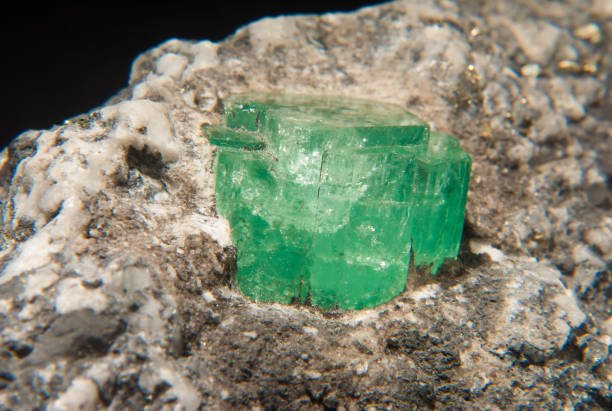
Description
Overview
Natural emeralds, a variety of beryl, are renowned for their vibrant green color, which can range from light to deep shades. With a hardness of 7.5 to 8 on the Mohs scale, they are durable yet can feature unique inclusions, known as “jardin,” adding character. Emeralds have been cherished for thousands of years, often associated with royalty and luxury. Their rarity, especially in high-quality specimens, positions them as a top choice in the gemstone market, making understanding their characteristics and market dynamics crucial for anyone involved in their trade or collection.
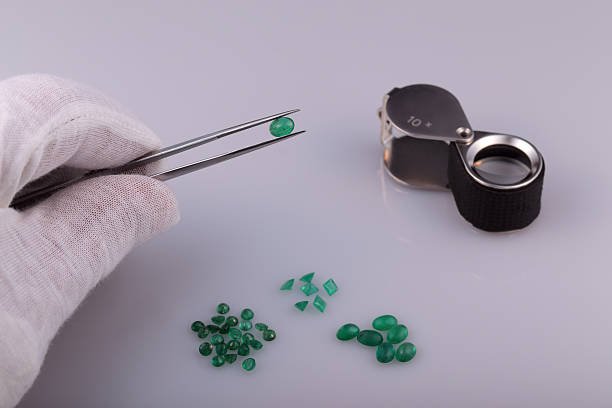

Physical Properties and Specifications
-
Chemical Composition: Be₃Al₂(SiO₃)₆ (with chromium and vanadium)
-
Hardness: 7.5 – 8 on the Mohs scale
-
Crystal System: Hexagonal
-
Refractive Index: 1.577 – 1.583
-
Specific Gravity: 2.67 – 2.78
-
Pleochroism: Moderate, displaying different shades of green
-
Fluorescence: Weak to moderate fluorescence under UV light
-
Cleavage/Fracture: Perfect in one direction, conchoidal fracture
Color and Quality Classifications
Available Color Ranges
-
Primary hues: Green
-
Secondary modifications: Blue-green, yellow-green
-
Tone and saturation ranges: Light to dark tones with vivid saturation
-
Premium colors: Deep green with high saturation
-
Commercial grades: Light to medium green
Clarity Characteristics
-
Typical inclusion types: Liquid inclusions, gas bubbles, and “jardin”
-
Clarity grading standards: Eye-clean to included
-
Source-specific features: Unique inclusions that characterize the origin
-
Eye-clean criteria: Stones without visible inclusions to the naked eye
Source Locations and Material
Historic sources
-
Colombia, Zambia, Brazil, and Afghanistan
Current production
-
Colombia remains the top source, with significant production in Zambia and Brazil.
Source-specific characteristics
-
Each location imparts distinct color and clarity traits to the stones.
Production trends
-
A steady demand for high-quality emeralds, with increasing interest in ethically sourced stones.